Moving in winter can feel like a real-life puzzle: slippery sidewalks, chilly winds, and the ever-present risk of damaging your belongings. If you want to ensure a smooth relocation without shattered dishes or scratched wood, having a solid plan is essential. This article shares practical tips on winter packing, helping you safeguard your furniture and fragile items while keeping the stress to a minimum.
Why Winter Packing Requires Extra Care
Unlike moving in spring or summer, winter introduces unique challenges. Cold temperatures can make wood brittle, cardboard boxes soggy, and delicate items more prone to breaking. A winter furniture packing guide helps you anticipate these issues and prepare your items for the chill. From insulated padding to moisture-resistant wrapping, every small precaution can make a big difference.
How to Pack Fragile Items for a Winter Move
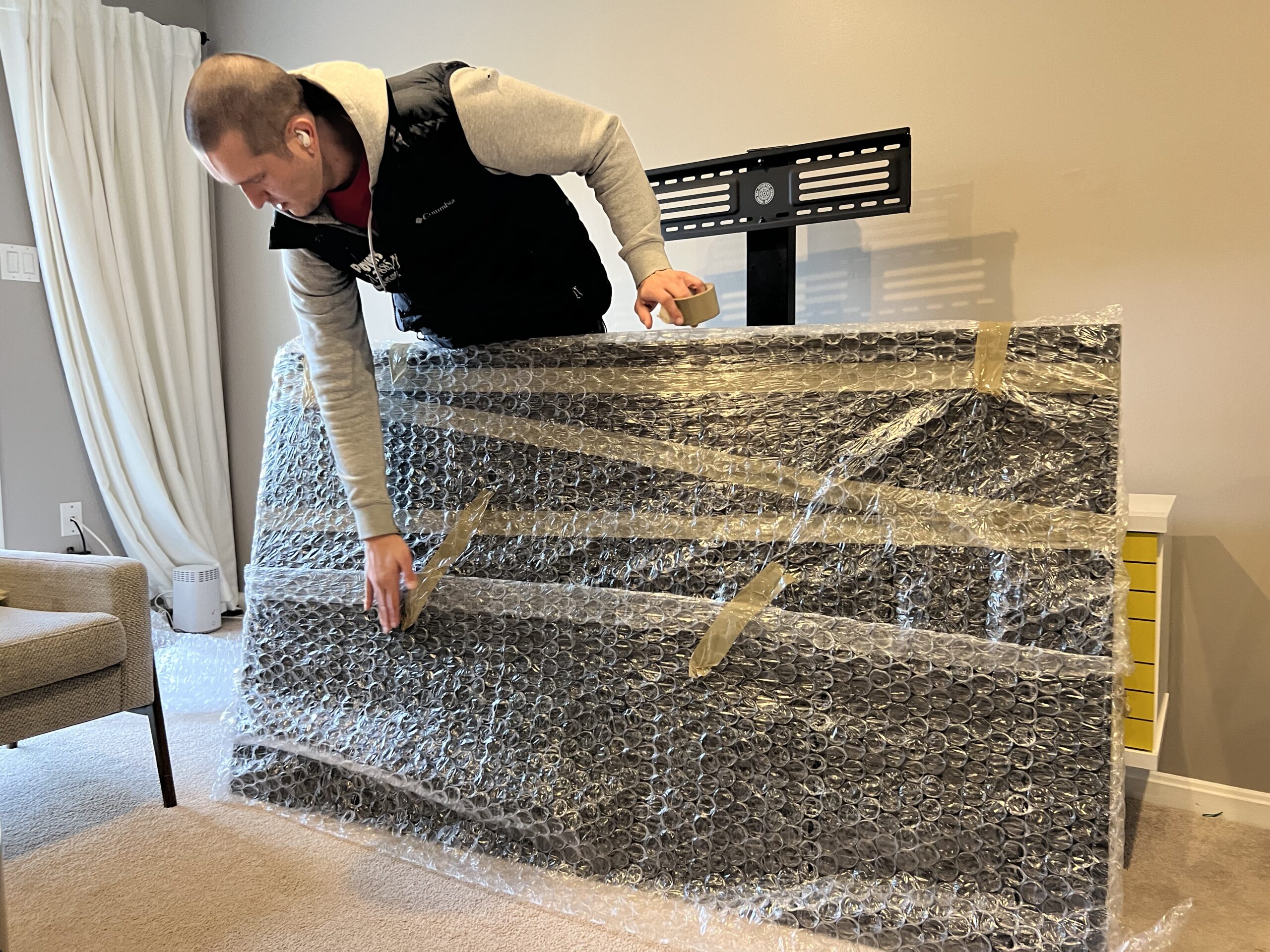
When it comes to how to pack fragile items for winter move, the key is layering. Start with bubble wrap or foam around each item, then place them in sturdy boxes with plenty of cushioning. Avoid leaving empty spaces — fill gaps with packing peanuts, crumpled paper, or soft cloths. Label each box clearly as “Fragile,” so movers handle them with care. Following these steps will also protect fragile items during winter relocation, reducing the risk of accidents during transport.
Protecting Furniture During Winter Relocation
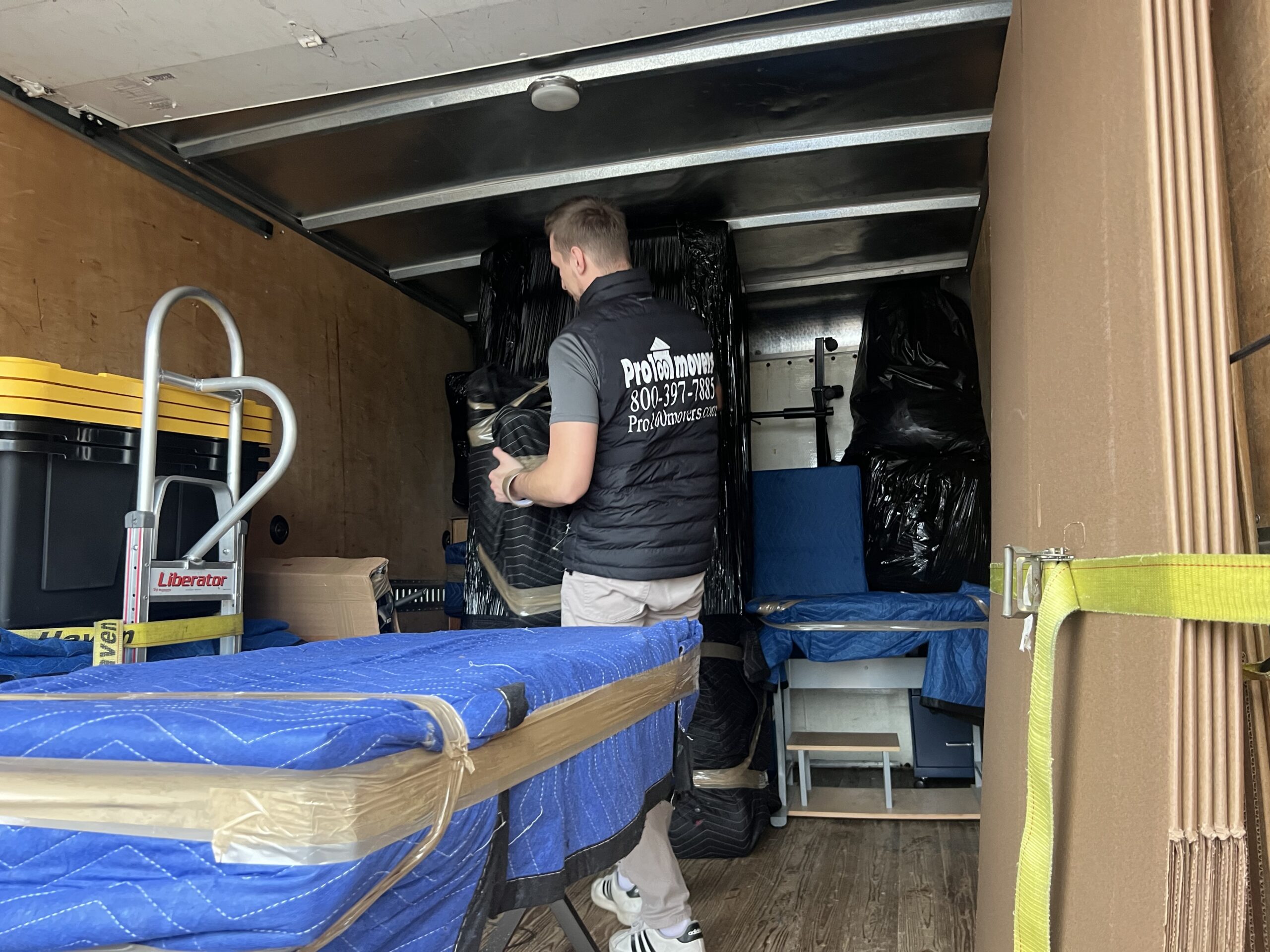
Wooden furniture, in particular, requires attention. Cold and moisture can cause warping or cracks. Packing wood furniture for winter moving involves wrapping pieces in thick moving blankets and sealing with plastic wrap to keep moisture out. For items with delicate finishes, consider an extra layer of cardboard for added protection. And remember: lifting carefully is just as important as packing smart.
Professional Moving Help
For professional assistance with all types of moves, check out our Moving Services in Rockville MD.
Winter Moving Checklist for Fragile Items
A handy winter moving checklist fragile items ensures nothing slips through the cracks. Include steps like: inspect and clean items before packing, choose weatherproof containers, use adequate padding, mark fragile boxes, and schedule moving during daylight hours for safer handling. Following a checklist reduces stress and minimizes the risk of accidents during cold-weather moves.
Additional Tips for Safe Winter Moves
Moving fragile items safely in winter also means considering the moving environment. Keep pathways clear of snow and ice, wear warm gloves for better grip, and avoid sudden temperature changes for sensitive items like electronics or glassware. Even small actions, like keeping boxes off wet surfaces, can prevent damage and make the entire move smoother.
Secure Storage Options
If you need to store your items safely before or after a move, our Storage Services in Rockville MD offer climate-controlled and secure solutions for peace of mind.
Conclusion
Winter moves don’t have to be nerve-wracking. By following a clear packing strategy, using protective materials, and keeping an eye on the weather, you can safeguard your furniture and fragile items with confidence. For hassle-free relocation and secure storage, trust professional movers to handle the heavy lifting — your items (and your sanity) will thank you!
FAQ
How should I pack fragile items for a winter move?
Use bubble wrap or foam, fill empty spaces in boxes, label them as fragile, and avoid sudden temperature changes.
How can I protect wooden furniture in cold weather?
Wrap furniture in thick blankets, seal with plastic wrap, and use cardboard for extra protection against moisture.
What should be included in a winter moving checklist for fragile items?
Inspect items, use weatherproof containers, provide adequate padding, mark fragile boxes, and move during daylight.
Can I move electronics safely in winter?
Yes, keep them insulated from cold, avoid sudden temperature changes, and use proper packing materials.
Do professional movers help with winter packing?
Absolutely, they bring experience, specialized materials, and can reduce stress during winter relocations.
| Tip | Description |
|---|---|
| Use proper padding | Bubble wrap, foam, and blankets protect fragile items from cold and impact. |
| Label boxes | Clearly mark fragile items to ensure careful handling. |
| Protect wood furniture | Wrap in blankets and seal with plastic to prevent warping and moisture damage. |
| Clear paths | Shovel snow and salt walkways to prevent accidents during moving. |
| Use climate-controlled storage | Store sensitive items in temperature-regulated environments to avoid damage. |