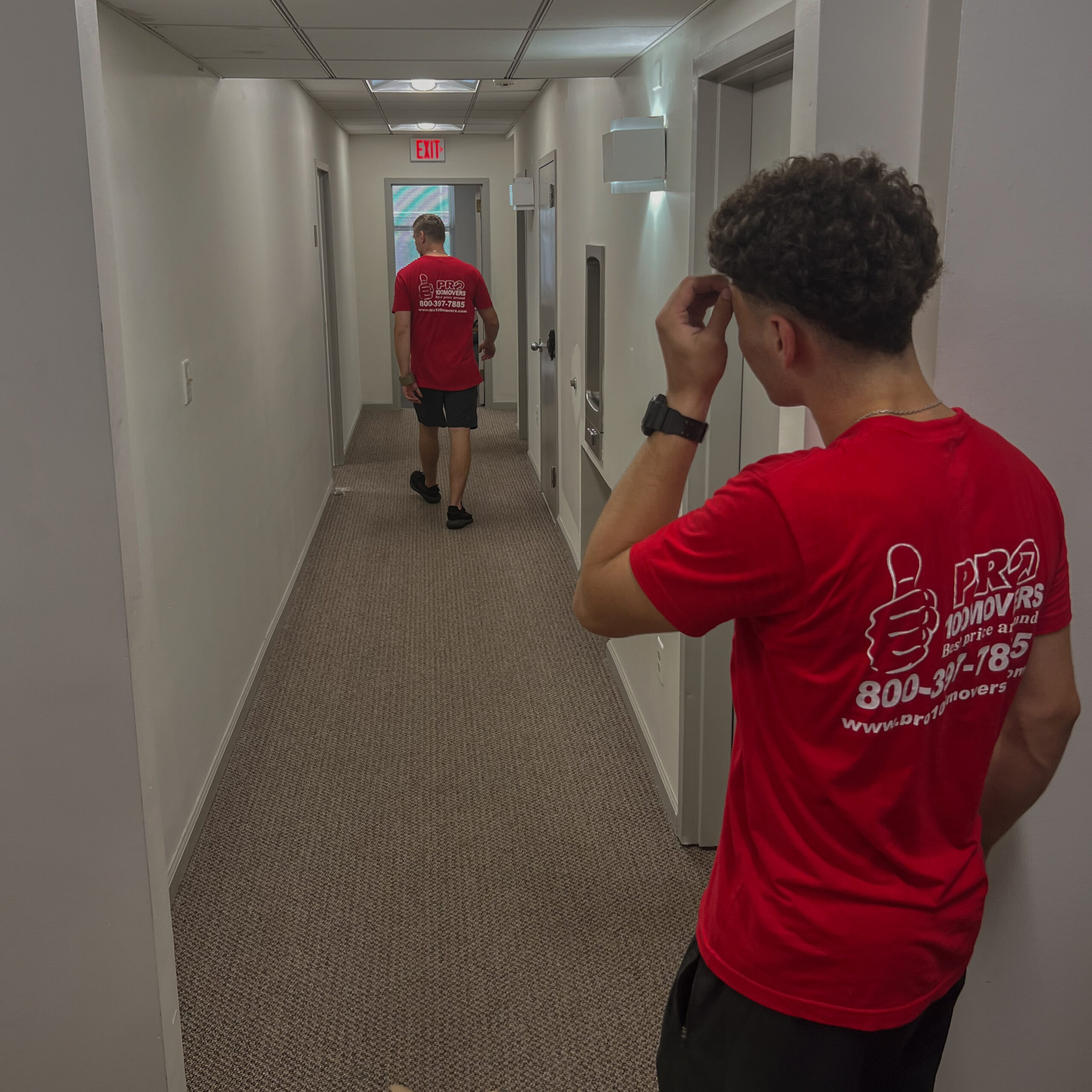
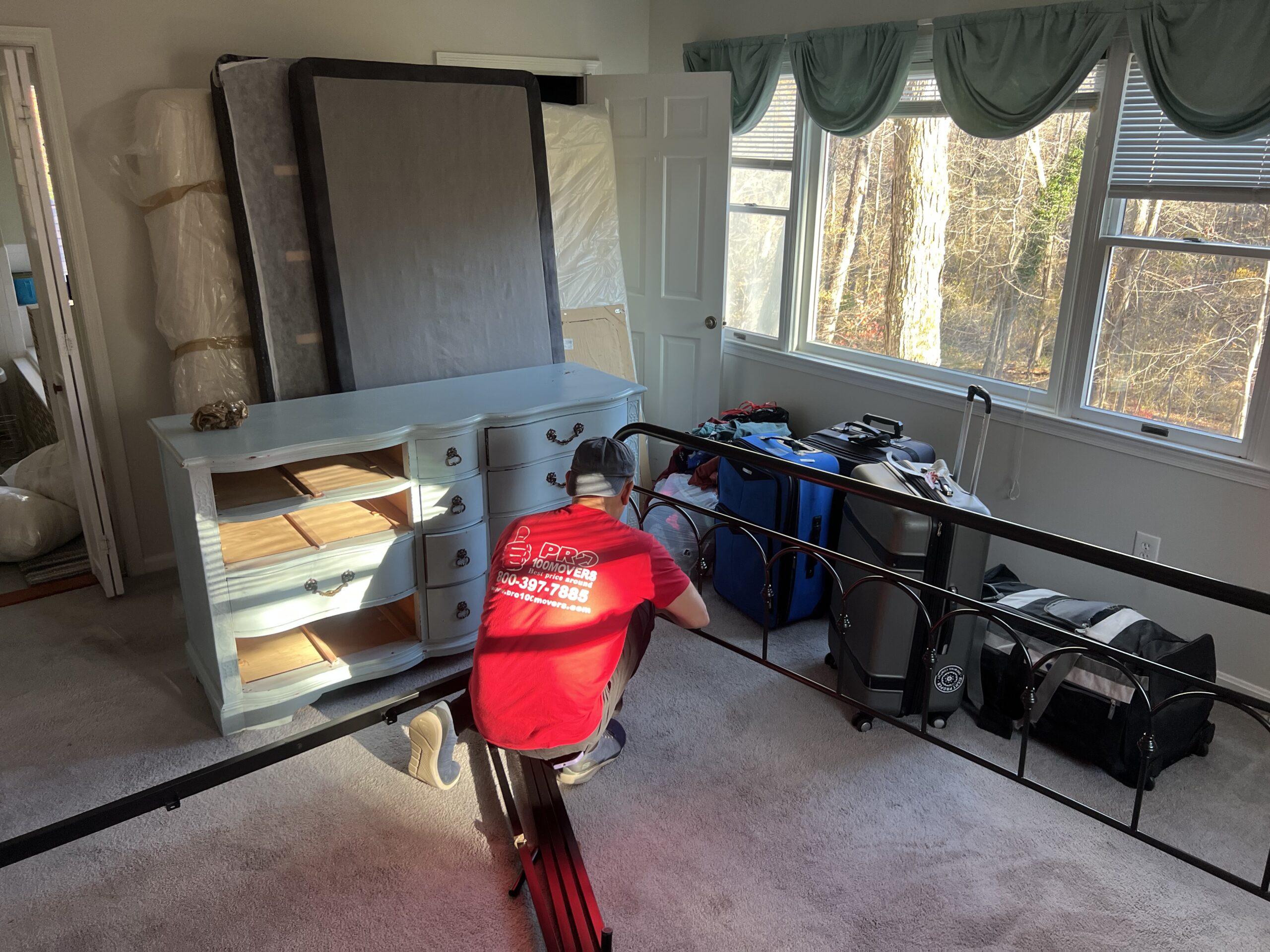
Winter moves come with their own set of challenges, especially when snow and ice find their way indoors. Wet boots, bulky furniture, and slippery entryways can quickly lead to scratched floors or damaged walls. Understanding how to protect floors during a winter move helps homeowners and renters avoid unnecessary repairs and keeps moving day far less stressful.
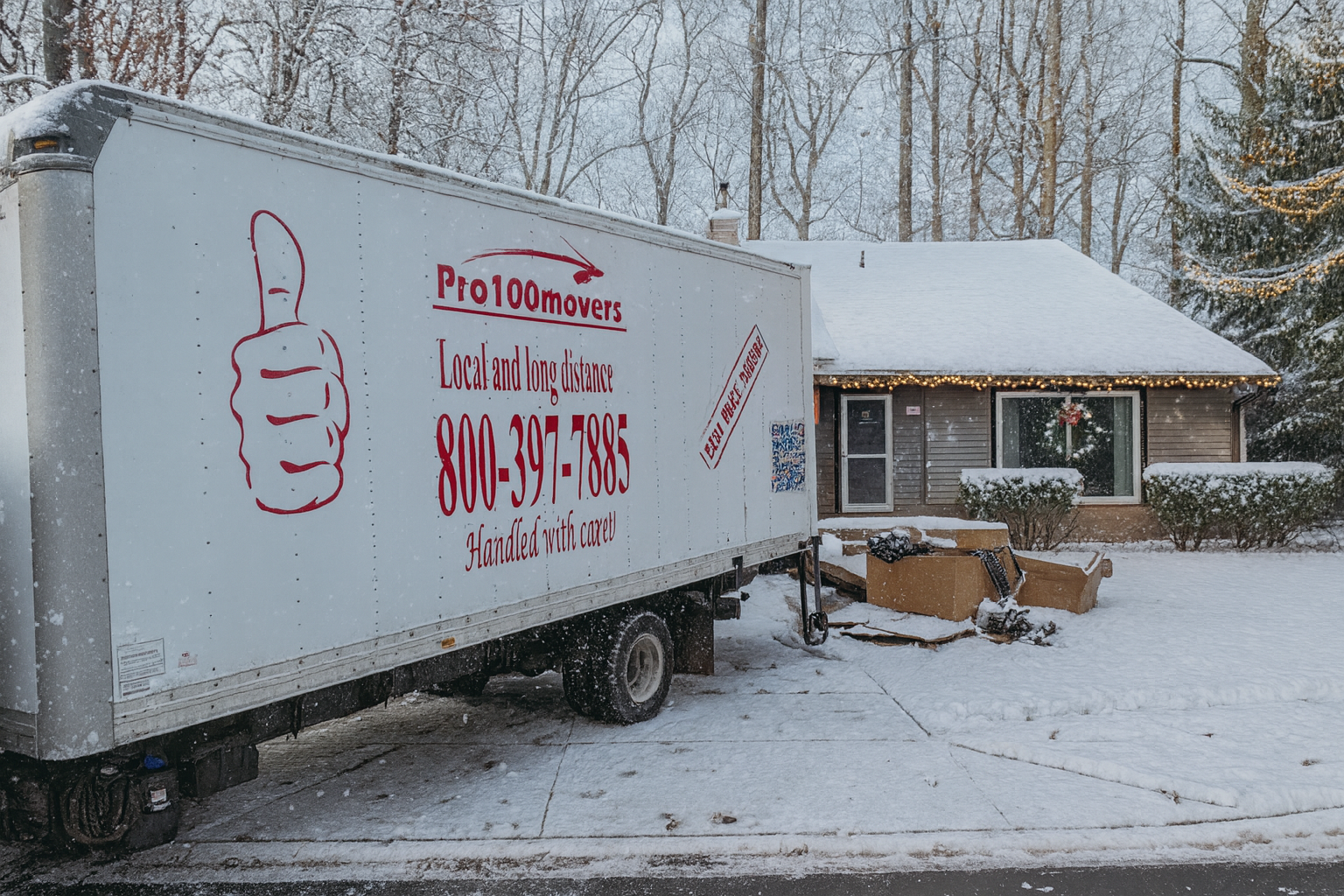
Why Winter Moving Can Damage Floors
Moisture is the biggest enemy during cold-weather moves. Snow and ice melt almost instantly once inside, creating slick surfaces that can stain hardwood or soak into carpets. To make moving in winter without damaging floors possible, create a protected pathway using plastic runners, cardboard, or old moving blankets. This simple step limits moisture spread and gives movers a safer, more controlled route.
How to Protect Walls from Scratches and Dents
Walls are often overlooked, yet they suffer the most during tight turns and stairway navigation. Large furniture can easily scrape paint or dent drywall, especially when hands are cold and movement is rushed. If you want to protect walls from damage when moving in snow, padded wall covers, corner guards, or securely taped blankets can help absorb impact and prevent visible marks.
The Importance of Proper Packing in Winter
Smart packing is a key part of floor and wall protection during a winter move. Furniture with sharp edges should be fully wrapped, and boxes should stay within a manageable weight. Balanced, clearly labeled boxes are easier to carry and reduce accidental bumps. Professional packers understand how winter conditions affect handling and know how to prepare items accordingly.
Foot Traffic and Moisture Control
Foot traffic plays a surprisingly important role in home protection. Snowy shoes track in water, salt, and grit that can harm flooring in minutes. Asking movers to wipe boots or use shoe covers is a small step that delivers big results and supports the goal of how to prevent wall damage during a move.

Why Professional Movers Make a Difference
Choosing movers with winter experience adds another layer of protection. Professionals arrive with the right materials, tools, and techniques for icy conditions. For local residents, reliable Moving Services in Odenton MD help ensure that both your belongings and your home stay safe despite unpredictable weather.
Packing quality matters just as much as transportation. Proper wrapping and organization allow movers to work efficiently without rushing. Professional Packing Services in Odenton MD offer peace of mind by protecting your items — and your walls and floors — from start to finish.
Conclusion
Snow and ice don’t have to ruin your moving day or your home. With thoughtful preparation and professional support, winter moves can be smooth and damage-free. If you’re planning a cold-weather relocation, working with experienced movers will help protect your space and reduce stress.
Frequently Asked Questions
How can I protect my floors during a winter move?
Use plastic runners, cardboard, or moving blankets to create a protected walkway and prevent moisture damage.
What is the best way to protect walls when moving in snow?
Padding walls with blankets or using corner guards helps prevent scratches and dents from large furniture.
Can snow damage hardwood floors during a move?
Yes, melting snow can stain or warp hardwood floors if not properly protected.
Do professional movers bring floor protection materials?
Most professional movers bring runners, blankets, and padding designed to protect floors and walls.
Is winter packing different from summer packing?
Yes, winter packing requires extra wrapping and moisture protection to prevent damage.
Winter Move Protection Checklist
| Protection Method | Purpose |
|---|---|
| Plastic floor runners | Protect floors from snow and water |
| Moving blankets | Prevent wall and furniture damage |
| Shoe covers | Reduce moisture and dirt indoors |
| Corner guards | Protect walls in tight spaces |
| Professional packing | Minimize risks during winter handling |