Moving in winter comes with its own unique challenges—from icy sidewalks to chilly interiors that make packing and loading more difficult. This article will guide you through practical ways to prepare your home for a smooth winter move in DC and Northern Virginia. With the right steps, you can keep your belongings safe, your home protected, and your moving day far more comfortable.
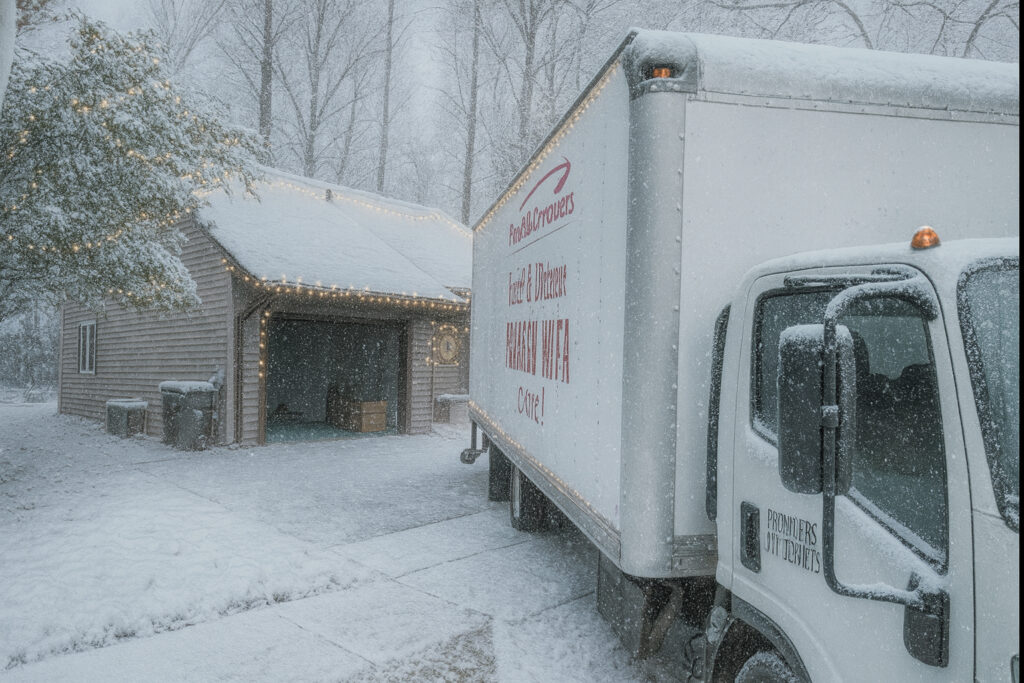
Preparing early is essential, especially when following a winter moving checklist Northern VA. Start by clearing exterior walkways from snow and ice, salting the ground, and checking that your outdoor lighting works properly. These simple actions help prevent slips and ensure that both you and your movers can work safely. For hassle-free planning in Washington, rely on a trusted Moving Company DC that knows how to handle local winter conditions.
Inside the home, your priority is warmth and protection. Many residents wonder how to keep home warm during move DC when doors constantly open. One effective method is to close off unused rooms and set up temporary barriers to block drafts. You can also lay out rugs or towels near entry points to reduce heat loss. These small adjustments make a noticeable difference during your DC winter move preparation.
Flooring often suffers most during cold-weather relocations. Snow, salt, and mud can quickly create a mess, so protect your floors with plastic runners, cardboard sheets, or removable mats. This tip is especially helpful when your goal is to protect home during winter move DC and avoid unnecessary cleaning or damage. Designating one room as the main loading zone will also help keep traffic organized.
If your move takes place in the suburbs, following a Northern Virginia cold weather moving guide is particularly useful. The region is known for sudden temperature changes, so pack delicate items in advance, double-wrap fragile pieces, and keep winter essentials like gloves, shovels, and scraper tools within reach. And when you need expert assistance, reliable Movers in Northern Virginia can ensure your home stays safe and your schedule stays on track.
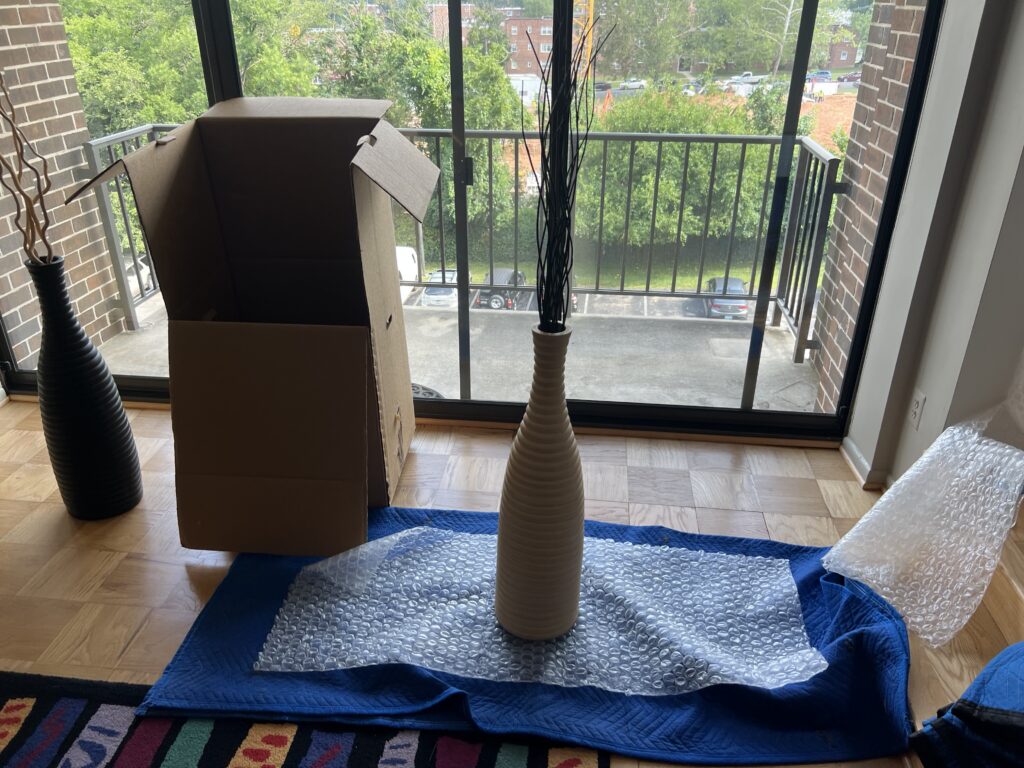
Before moving day, take time to protect electronics, add an extra layer of insulation to boxes, and keep warm drinks on hand—your movers will appreciate the gesture! These thoughtful details make winter moving smoother and help you follow how to prepare home for winter move Northern VA guidelines more effectively.
A well-prepared home can turn a potentially stressful winter relocation into a manageable, even pleasant experience. If you’re planning a move in DC or Northern Virginia, reach out to our professional team for personalized guidance and dependable service. Explore our commercial pages today and schedule your winter move with confidence.
FAQ
How early should I start preparing my home for a winter move?
Ideally, begin preparing at least one to two weeks before moving day. This gives you time to inspect walkways, organize packing, and gather winter supplies.
How can I keep my home warm during the move?
Close unused rooms, use temporary barriers to block drafts, and place rugs at entry points to retain heat while doors remain open.
What should I do to protect my floors in winter?
Use plastic runners, cardboard sheets, or floor mats to guard against snow, mud, and salt tracked in during the move.
How do I handle fragile items in cold weather?
Cold temperatures make items more brittle. Wrap them in extra layers and avoid leaving them outdoors for long periods.
Do movers work during snowstorms?
Yes, but safety is the priority. Severe conditions may require rescheduling to avoid hazards for both movers and homeowners.
Winter Move Preparation Checklist
| Task | Details |
|---|---|
| Clear walkways | Remove snow and ice, salt paths, and check outdoor lighting. |
| Protect flooring | Use runners, cardboard, or mats in high-traffic areas. |
| Maintain warmth | Close unused rooms and add draft barriers. |
| Prepare fragile items | Double-wrap and avoid exposure to cold temperatures. |
| Keep winter supplies ready | Have gloves, shovels, scrapers, and warm drinks on hand. |
Helpful Tips for Moving Families
| Task | Tip | When to Do it |
|---|---|---|
| Use original packaging | Best fit and shock absorption | 1–2 weeks before move |
| Wrap with anti-static material | Prevents static and overheating | During packing |
| Label all electronics boxes | Use “Fragile” and “This Side Up” labels | During packing |
| Use climate-controlled transport | Protects from heat during transit | Moving day |
| Allow devices to cool before plugging in | Prevents condensation damage | After unloading |