If you’ve never hired professional movers — or you’ve had a bad experience and want to know what good service looks like — this is the breakdown. What movers actually do, what they bring, what they expect from you, and how the day goes from start to finish.
Pro100Movers has completed over 10,000 moves in Maryland since 2010. Here’s what our process looks like — and what you should demand from any mover you hire.
Before Moving Day
The Estimate
A legitimate Maryland mover provides a written estimate before you commit. For local moves, this is an hourly rate with a time estimate (“2 movers, approximately 4 hours, $140/hour all-inclusive”). For long-distance, it’s a binding flat rate based on weight and distance. The estimate should list everything that’s included: truck, crew, fuel, materials, and equipment. If something isn’t listed — ask.
Booking Confirmation
After booking, you get a confirmation with: the date and arrival window (usually a 1-hour window, like “8–9 AM”), crew size, truck size, your address, and any special instructions (elevator reservation, building COI, parking notes). Some companies charge a small booking fee ($50–$100); many don’t. A large upfront deposit (30%+) is a red flag.
Pre-Move Communication
The day before or morning of, the company confirms the arrival time. Good movers also ask: “Is there anything we should know about your home or building? Stairs, tight doorways, parking issues?” This is your chance to flag anything unusual.
What the Crew Brings
A professional Maryland moving crew arrives with:
| Equipment | What It’s For |
|---|---|
| Moving truck (right-sized for your home) | Transport |
| Furniture blankets (20–40 per truck) | Wrapping all furniture |
| Stretch wrap | Securing blankets, protecting upholstery |
| Floor runners | Protecting hardwood, tile, and carpet |
| Door jamb protectors | Preventing damage to doorframes |
| Dollies (furniture + appliance) | Wheeling heavy items |
| Hand trucks | Moving stacks of boxes |
| Shoulder straps | Carrying heavy items on stairs |
| Tool kit (wrenches, Allen keys, screwdrivers) | Furniture disassembly/reassembly |
| Ramp or lift gate | Loading truck without lifting to tailgate height |
All of this should be included in the quoted rate. If a company charges extra for blankets, dollies, or tape — that’s not standard.
How Moving Day Works
Arrival (Hour 0)
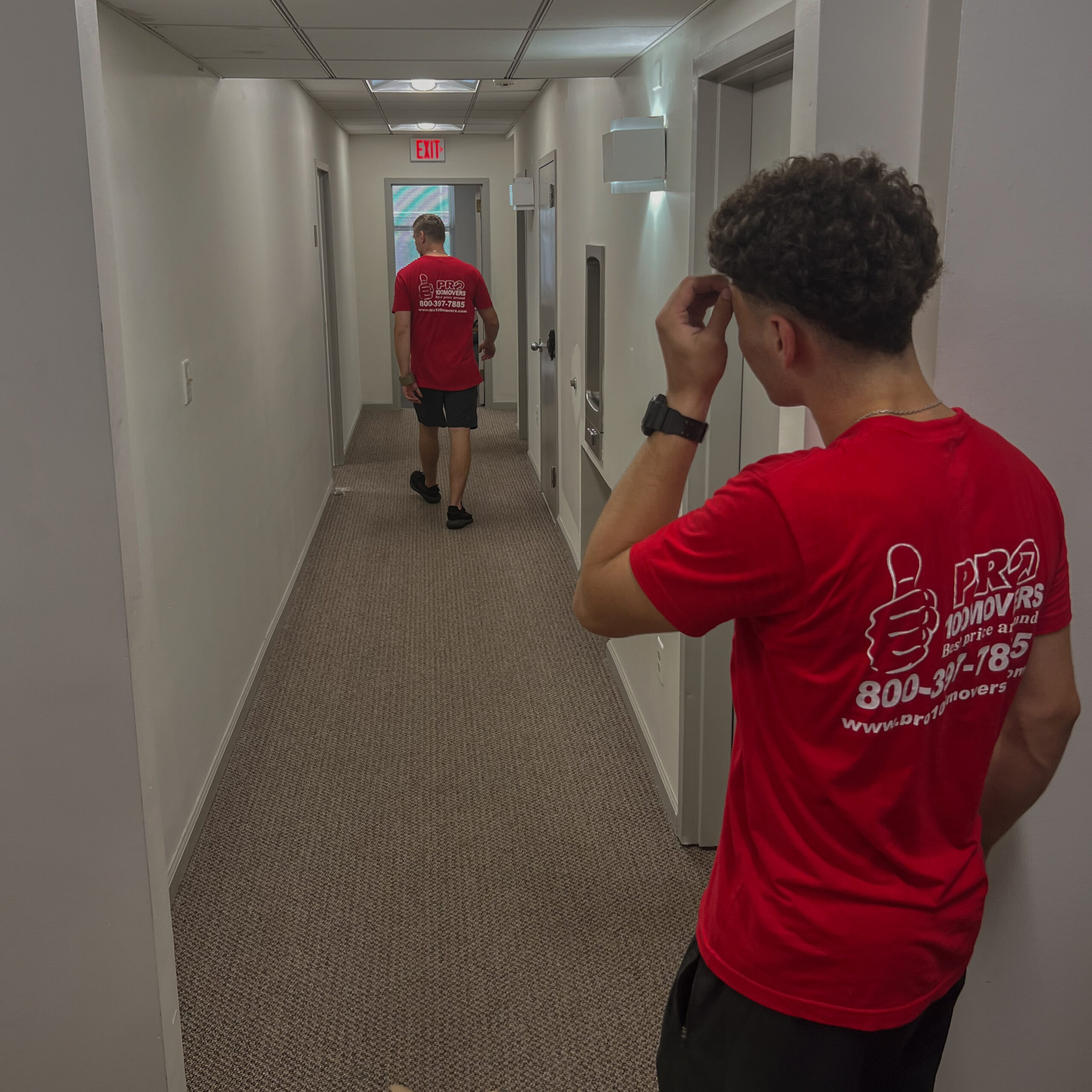
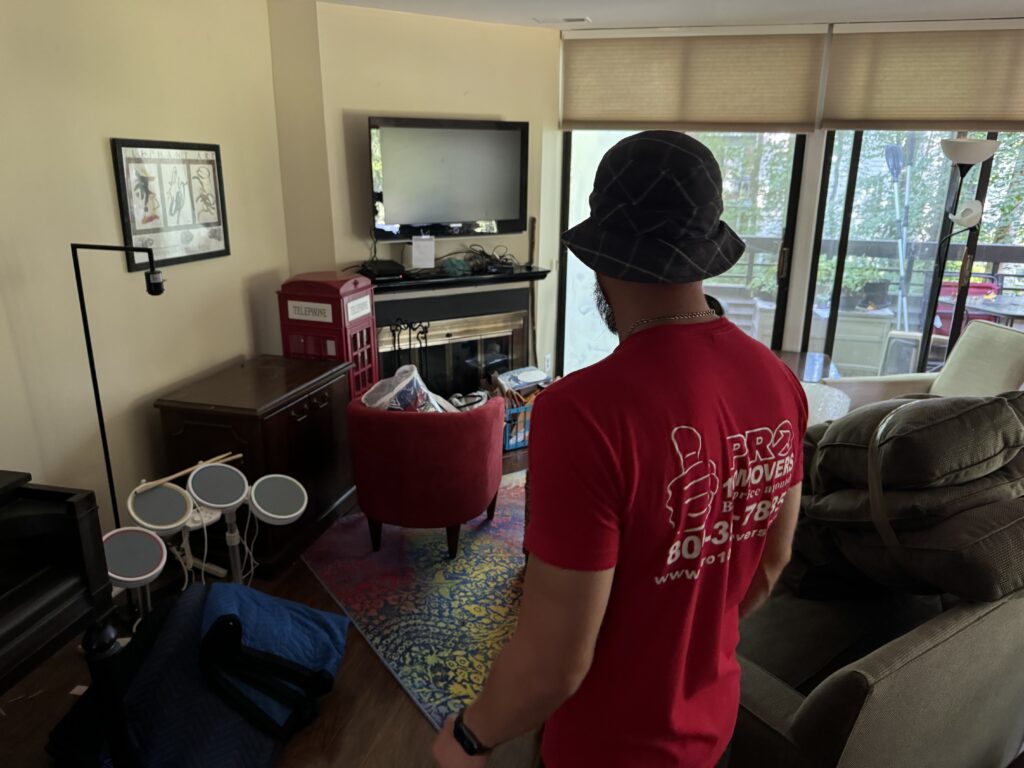
The crew arrives at your door in uniform or branded shirts. They introduce themselves, walk through the home with you, and identify: fragile items, heavy items, items that need disassembly, and anything staying behind. They lay floor runners and set up door protectors before touching a single box.
Loading (Hours 1–3 for a 2-bed)
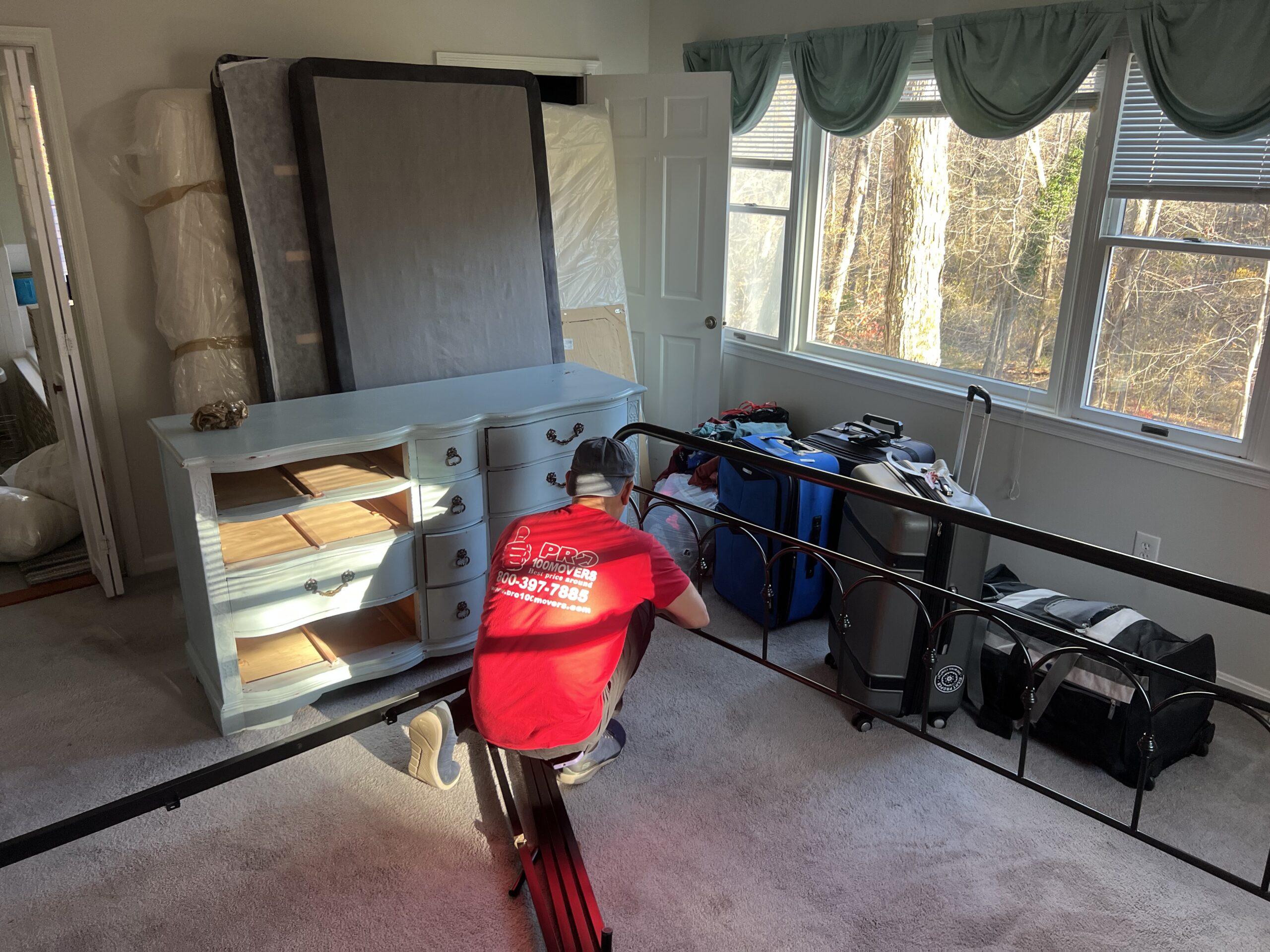
The crew works systematically — usually starting with large furniture (beds, dressers, sofas), then appliances, then boxes. Each piece of furniture gets blanket-wrapped and secured with stretch wrap. Boxes are loaded last, stacked by room. The truck is packed strategically: heaviest items at the front (near the cab), lightest at the back (near the door).
Transport (30–60 min for local)
The crew drives to the new home. You can drive separately — many people go ahead to turn on lights, AC, and do a final check before the truck arrives. For local moves in Montgomery County, transit takes 20–45 minutes.
Unloading (Hours 4–6 for a 2-bed)
At the new home, floor runners go down first. The crew unloads room by room — following your labels or your verbal directions. “This box says Kitchen” → it goes to the kitchen. “Dresser goes in the master bedroom” → it goes upstairs. Beds are reassembled, furniture is placed where you want it. The crew adjusts positioning until you’re happy.
Walkthrough and Payment
After unloading, the crew lead does a final walkthrough with you: everything accounted for, nothing left on the truck, no visible damage. You sign the bill of lading (the moving contract), pay the final amount, and you’re done. Most Maryland movers accept credit card, check, or cash.
What Movers Expect from You
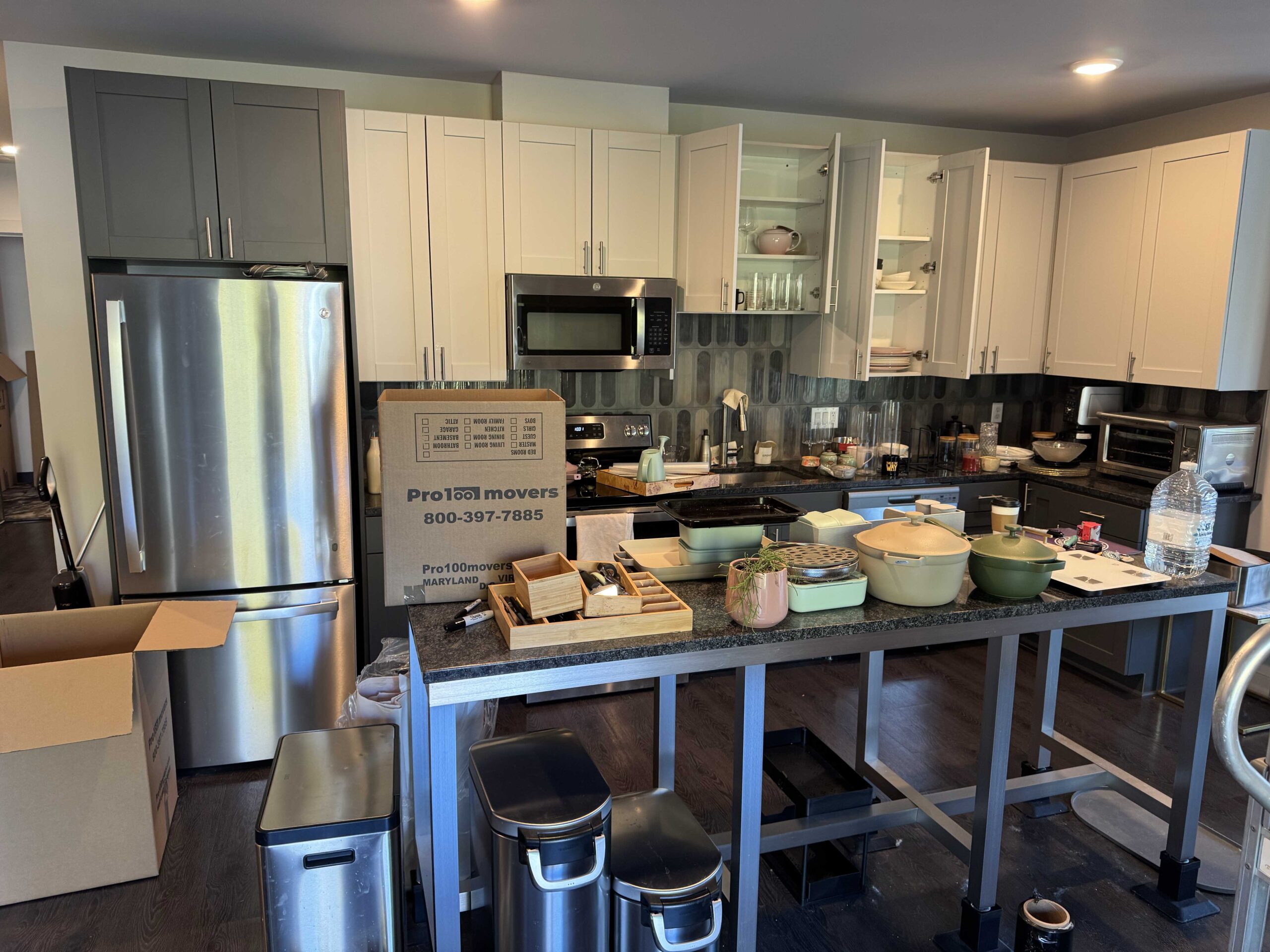
Be packed when they arrive. Unless you’ve booked packing service, everything should be in boxes with lids closed and taped. Open boxes slow down the load — the crew can’t safely stack them.
Label your boxes. Room name + brief description. “Kitchen — plates (FRAGILE)” saves time at both ends. The better your labels, the faster the unload.
Clear a path. From every room to the front door, the path should be clear. No shoes, rugs, or furniture blocking the route. On moving day, anything in the crew’s path costs time.
Be available. Stay on-site or reachable by phone. The crew will have questions: “Where does this go?” “Can we take this wall shelf down?” “Where should we park at the new place?” Quick answers keep the move on schedule.
Point out fragile and valuable items. Don’t assume the crew will know your grandmother’s china cabinet needs extra care. Tell them. Show them.
What “All-Inclusive” Should Mean
When a Maryland mover says “all-inclusive,” this should cover: truck, crew, fuel, blankets, stretch wrap, floor runners, door protectors, dollies, hand trucks, basic tools, furniture disassembly and reassembly, loading, transport, and unloading.
Things that are typically NOT included (and cost extra): full packing service, specialty item handling (piano, pool table, gun safe), storage, long-carry fee (if the truck can’t park within 75 feet of your door), shuttle service (if the truck can’t fit on your street). A good company lists these potential extras in the estimate so there are no surprises.
Red Flags on Moving Day
Crew arrives in an unmarked vehicle. Licensed movers have branded trucks with their company name and USDOT number visible.
No floor protection. A crew that walks through your house without laying runners doesn’t care about damage.
Price changes on arrival. If the crew looks at your stuff and says “this is going to be more than quoted” — that’s a scam. A binding estimate can’t increase. If you have the same amount of items described in the estimate, the price is locked.
No blankets on furniture. Every piece should be wrapped. If furniture goes on the truck bare, it will get scratched, dented, or worse.
Frequently Asked Questions
Should I tip the movers?
Not required, but appreciated. Standard: $20–$40 per mover for a full-day move, $10–$20 for a half-day. Cash is preferred. If the crew did exceptional work — protected your floors, reassembled furniture carefully, handled a tricky staircase — a tip says thank you.
What if something gets damaged?
Report it to the moving company in writing within 9 months for interstate moves (federal regulation) or as soon as possible for local moves. Take photos of the damage. The company’s insurance process will determine repair or reimbursement. This is why hiring insured movers matters — with an uninsured crew, you have no recourse.
Hire Pro100Movers
Pro100Movers — over 10,000 Maryland moves since 2010. Licensed (USDOT #2870070), fully insured, all-inclusive pricing. The crew that arrives is our crew — trained, uniformed, and experienced.
Call 800-397-7885 for a free estimate. No hidden fees. The quoted price is the final price.
Helpful Tips for Moving Families
| Task | Tip | When to Do it |
|---|---|---|
| Use original packaging | Best fit and shock absorption | 1–2 weeks before move |
| Wrap with anti-static material | Prevents static and overheating | During packing |
| Label all electronics boxes | Use “Fragile” and “This Side Up” labels | During packing |
| Use climate-controlled transport | Protects from heat during transit | Moving day |
| Allow devices to cool before plugging in | Prevents condensation damage | After unloading |